
Hotter US Inflation, Tariff Tensions, and the Ripple Effect on Indian Markets
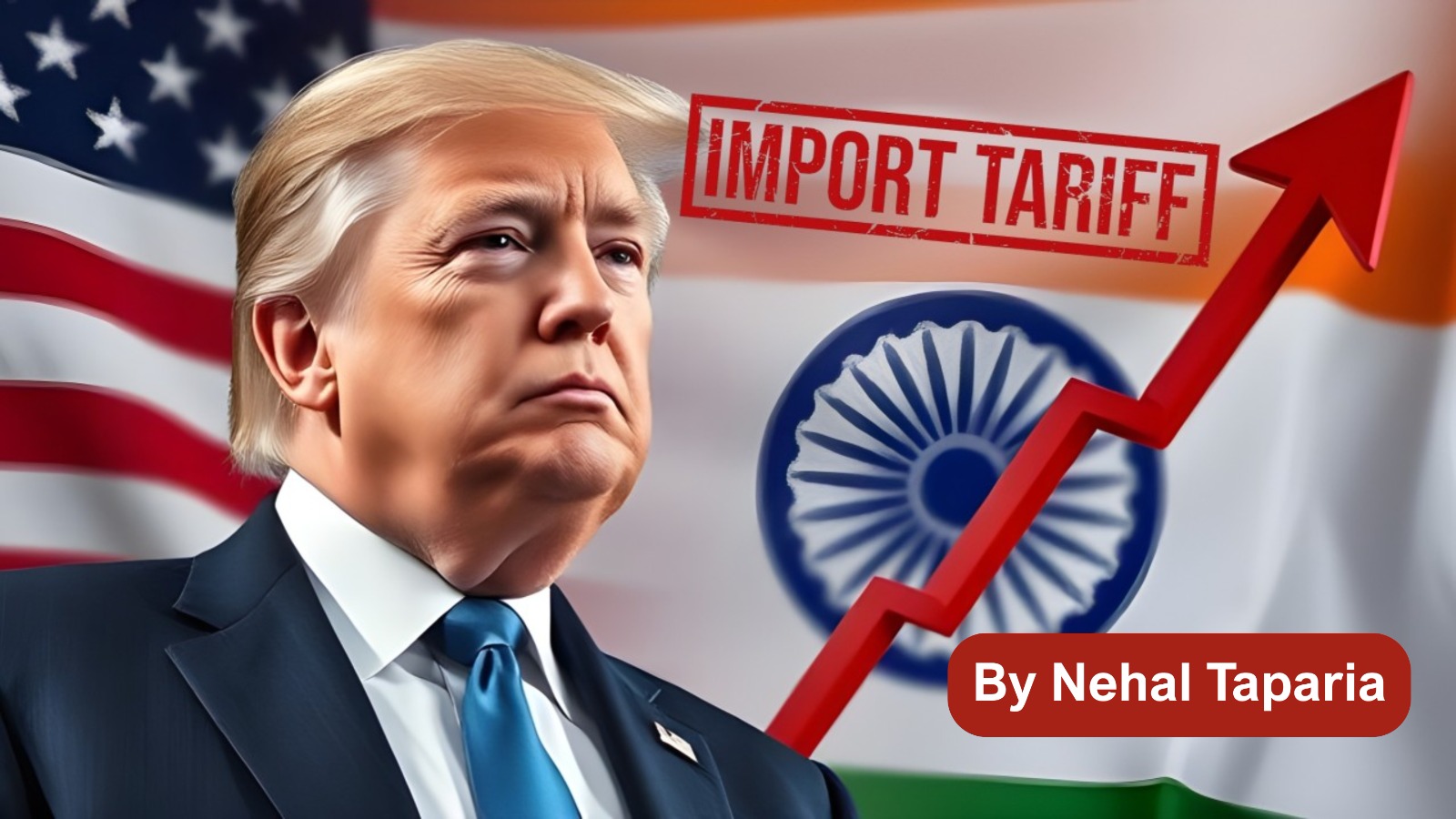
Hotter US Inflation, Tariff Tensions, and the Ripple Effect on Indian Markets
Overview:
June's Consumer Price Index (CPI) report from the US showed that inflation rose 2.7% YoY, with a 0.3% MoM jump between May and June—slightly higher than analysts had anticipated. This hotter-than-expected inflation has reignited concerns over new tariffs and their potential to worsen inflationary pressure.
As a result, the chances of the Federal Reserve cutting interest rates in the near term have diminished, with most expectations now pointing toward a delay in rate cuts by at least 1–2 months.
But this isn’t just a US story—it has direct and indirect implications for the Indian stock market and emerging markets at large.
Why Are Tariffs Back in Focus?
There’s growing concern that in an election year, the US may impose fresh tariffs on China and other regions, which could:
- Raise input costs for American companies
- Add further stress to global supply chains
- Trigger retaliatory measures from trade partners
All of this feeds directly into inflation, pushing central banks to remain cautious.
Impact on Indian Stock Market
1. FII (Foreign Institutional Investor) Outflows Likely
Hotter US inflation and delayed Fed rate cuts mean higher US yields, which often results in money flowing out of emerging markets like India and back into safer US Treasuries.
2. Rupee Under Pressure
With strong US dollar demand and weak global sentiment, the INR could weaken, pushing import costs higher, especially oil and commodities.
3. IT and Export-Oriented Sectors Gain Short-Term
A weaker rupee may benefit exporters such as IT, pharma, and textile companies in the short run, as they earn in USD. However, global slowdown fears could cap gains.
4. Rate-Sensitive Sectors May Face Heat
With Indian inflation also above RBI's comfort zone and the Fed pausing rate cuts, banks, NBFCs, auto, and real estate stocks could face headwinds.
5. Market Volatility to Remain High
Global uncertainty on inflation, tariffs, and rate policy can result in heightened market volatility, especially in Nifty and Bank Nifty, with sharp intraday swings.
What Should Investors Do?
- Focus on high-quality large caps with strong fundamentals.
- Maintain some exposure to export-oriented sectors.
- Keep an eye on FII activity and USD/INR levels.
- Stay cautious with rate-sensitive and high-debt companies.
By Nehal Taparia
This content is for educational and knowledge purposes only and should not be considered as investment or Trading advice. Please consult a certified financial advisor before making any investment or trading decisions.
Latest Course





Latest posts




Our Recent FAQS
Frequently Asked Question &
Answers Here
Q1. Why is the US inflation data important for Indian investors?
US inflation affects global interest rate expectations. If inflation is high, the US Federal Reserve may delay rate cuts, leading to stronger US dollar and weaker inflows to emerging markets like India.
Q2. Will the Fed delay interest rate cuts after this CPI data?
Q3. How do tariffs in the US affect the Indian market?
Q4. Which sectors in India are likely to benefit or suffer?
Q5. What should retail investors do now?
Copyright © By Empirical F&M Academy. Design & Developed by Techno Duniya