
Blog List

Blog List

Chips Are Digital Diamonds: India’s Big Leap at Semicon India 2025
India is fast-tracking its journey to become a global semiconductor powerhouse. At Semicon India 2025 in Delhi, Prime Minister Narendra Modi delivered a clear message: “Make in India” is not just a slogan, but the foundation of India’s ambition to dominate the global semiconductor supply chain.

GST 2.0: Cheaper Shampoos, TVs, and Hybrid Cars—India’s Big Festive Tax Cut
Ahead of the September 3–4 GST Council meeting, the Modi government is rolling out its most significant tax revision in nearly a decade.
GST Collections Rise 6.5% in August — A Sign of Steady Economic Momentum
India's Goods and Services Tax (GST) collections in August totaled ₹1.86 lakh crore, up 6.5% year-on-year, underscoring sustained economic activity and persistent compliance even amid broader global uncertainties , .

India's Manufacturing PMI Soars to a 17-Year High in August 2025
In August 2025, India's manufacturing sector delivered its strongest performance in over 17 years, with the HSBC India Manufacturing PMI surging to 59.3—its highest level since February 2008.
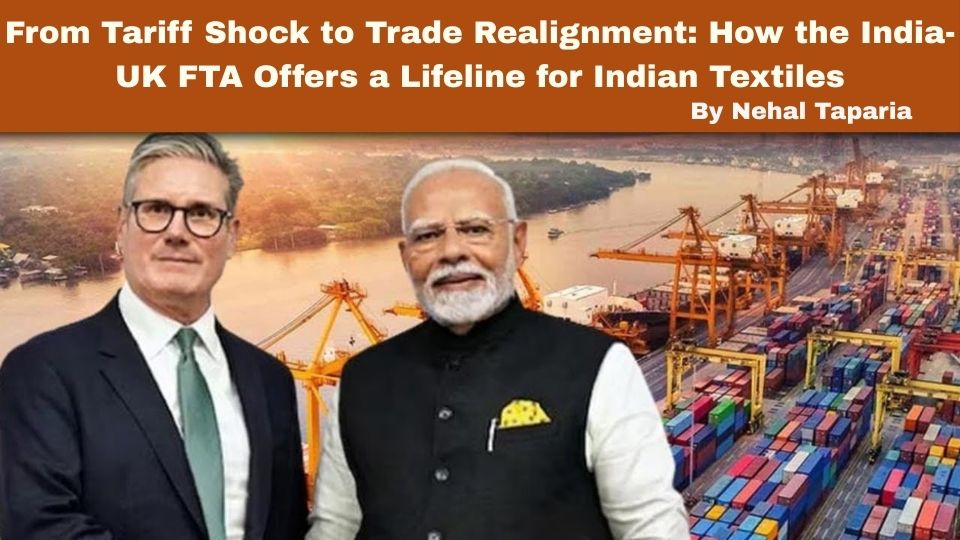
From Tariff Shock to Trade Realignment: How the India-UK FTA Offers a Lifeline for Indian Textiles
With the U.S. imposing steep 50% reciprocal tariffs on Indian goods—including textiles—exporters are staring down a major disruption.
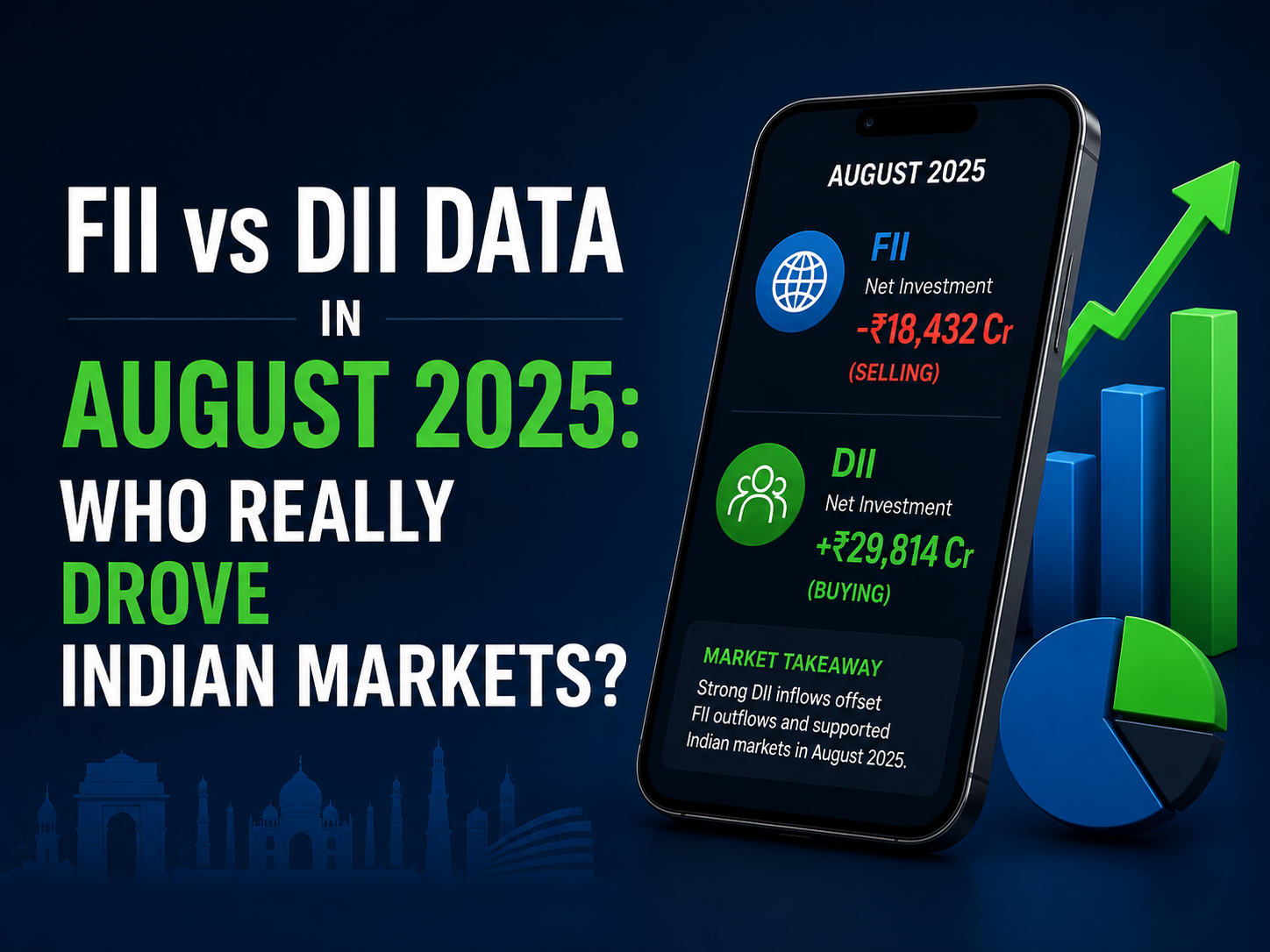
FII and DII Data in August 2025: Who Drove the Markets?
This piece breaks down the FII and DII data for August 2025, what drove the divergence, and what it tells traders and investors about the current phase of the market.

Gold & Silver Scale New Highs as Inflation Worries Mount in India
On August 29, 2025, India witnessed unprecedented price jumps in precious metals—gold surged to ₹102,388 per 10 grams, while silver spiked to ₹117,572 per kilogram at the retail level.
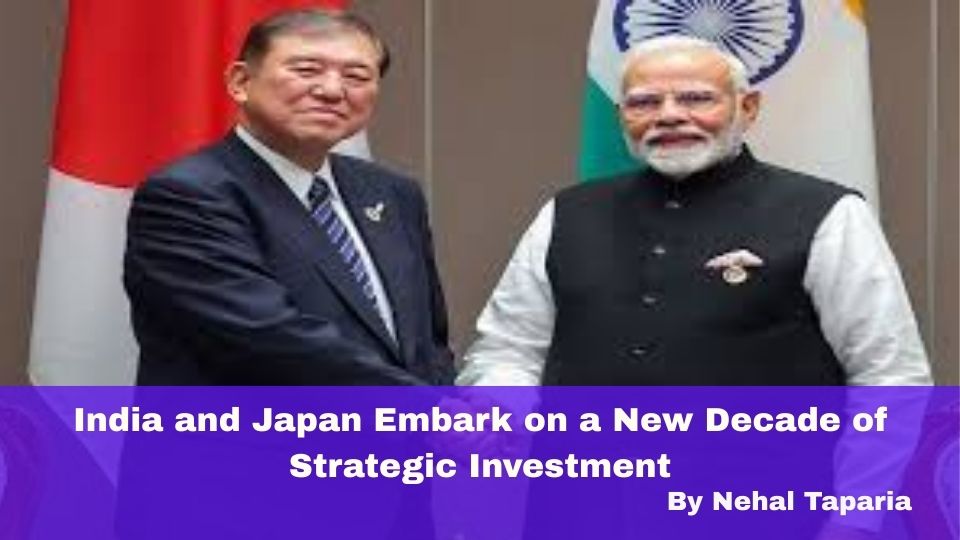
India and Japan Embark on a New Decade of Strategic Investment
In a landmark decision at the 15th India–Japan Annual Summit in Tokyo on August 29, 2025, Japan pledged to invest 10 trillion yen (approximately $68 billion) in India over the next ten years—a signal of deepening strategic and economic ties between the two democracies.
Latest Course






Copyright © By Empirical F&M Academy. Design & Developed by Techno Duniya