
Blog List

Blog List
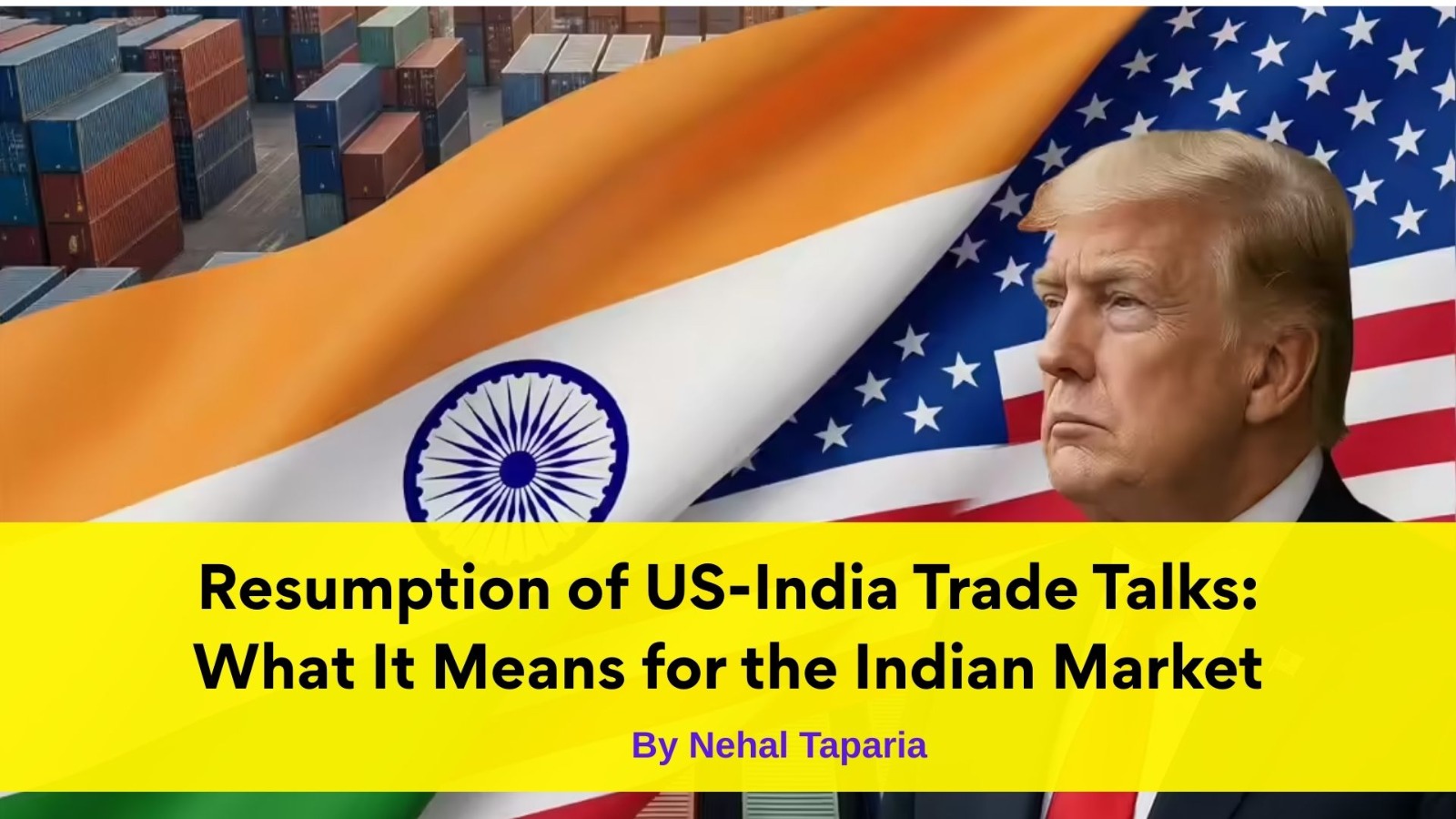
Resumption of US-India Trade Talks: What It Means for the Indian Market
After months of escalating trade tensions, U.S. President Donald Trump and Indian Prime Minister Narendra Modi have signaled a thaw in relations, announcing the resumption of trade negotiations between the two nations
China's Economic Slump and Its Implications for the Indian Market
China's economy is grappling with a significant slowdown, marked by a 0.4% year-on-year decline in the Consumer Price Index (CPI) for August—the steepest drop in six months.
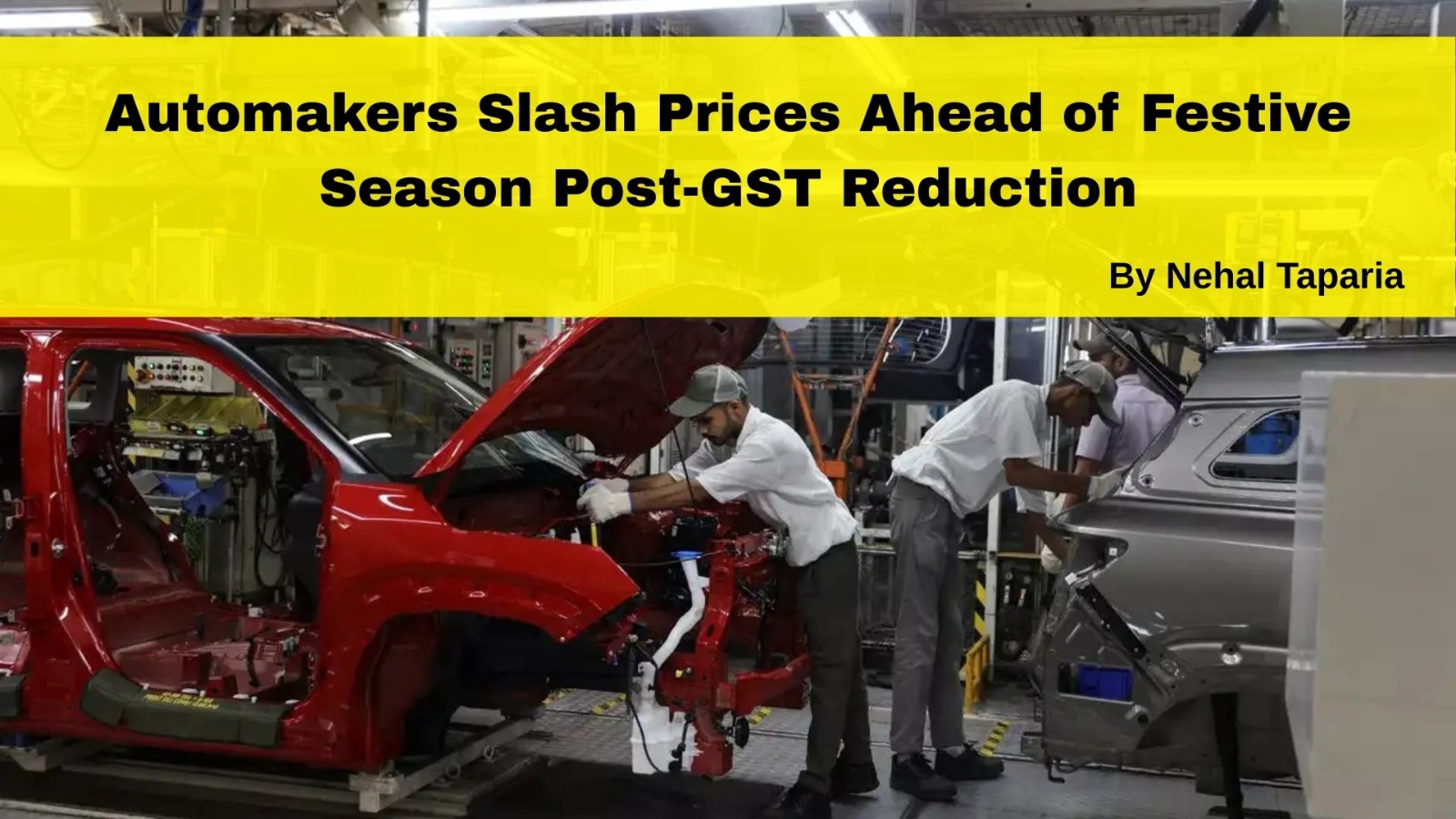
Automakers Slash Prices Ahead of Festive Season Post-GST Reduction
In a significant move to stimulate demand during the upcoming festive season, several automakers in India have announced substantial price reductions on their vehicle models.

Trump’s Tariffs Could Reduce India’s GDP by 0.5%: Implications and Strategic Responses
The global trade landscape has been significantly altered by U.S. President Donald Trump's recent decision to impose a 50% tariff on Indian exports
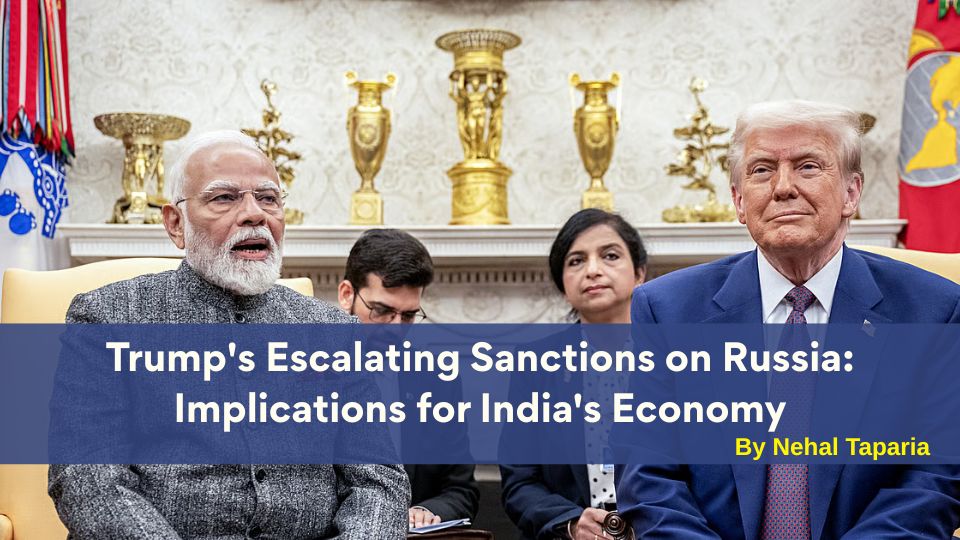
Trump's Escalating Sanctions on Russia: Implications for India's Economy
U.S. President Donald Trump has signaled readiness to escalate sanctions against Russia, particularly targeting nations, including India, that continue to purchase Russian oil. This move marks a significant shift in U.S. foreign policy and has potential ramifications for India's economy.
Can Fed Rate-Cut Optimism and Global Cues Revive Indian Markets Next Week?
Last week, Indian benchmarks remained largely range-bound. The Nifty ended marginally higher by ~6.7 points at 24,741 — securing a weekly gain of about 1% — while the Sensex slipped slightly to 80,710.76.
U.S. Jobs Report (August 2025) & Its Impact on the Indian Market
The U.S. labor softness strengthens speculation that the Fed will initiate rate cuts starting mid-September—reportedly planning two or three cuts this year.
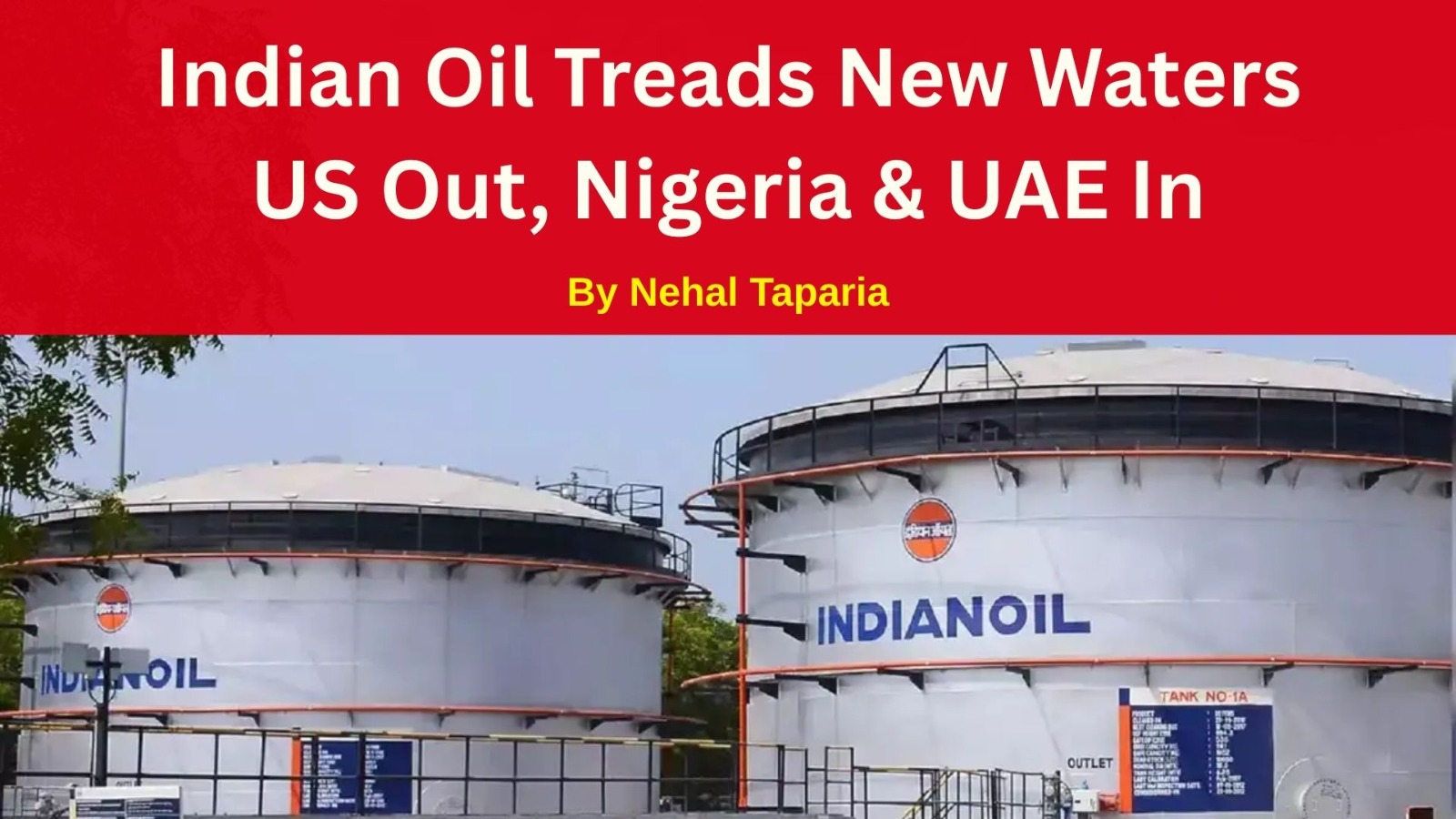
Indian Oil Treads New Waters—US Out, Nigeria & UAE In
On September 5, 2025, Indian Oil Corporation (IOC), the nation’s top state refiner, discontinued its purchase of U.S. crude oil in its latest tender.
Latest Course






Copyright © By Empirical F&M Academy. Design & Developed by Techno Duniya