
Blog List

Blog List
U.S. Economy Rebounds to 3.3% in Q2—What It Means for India
The U.S. economy bounced back robustly in Q2 2025, growing at a revised 3.3% annualized rate, up from the initial estimate of 3% and a sharp contrast to the –0.5% contraction in Q1. This rebound was driven by increased business investment—particularly in AI and intellectual property—stronger consumer spending, and a dramatic fall in imports, which added over 5 percentage points to GDP.
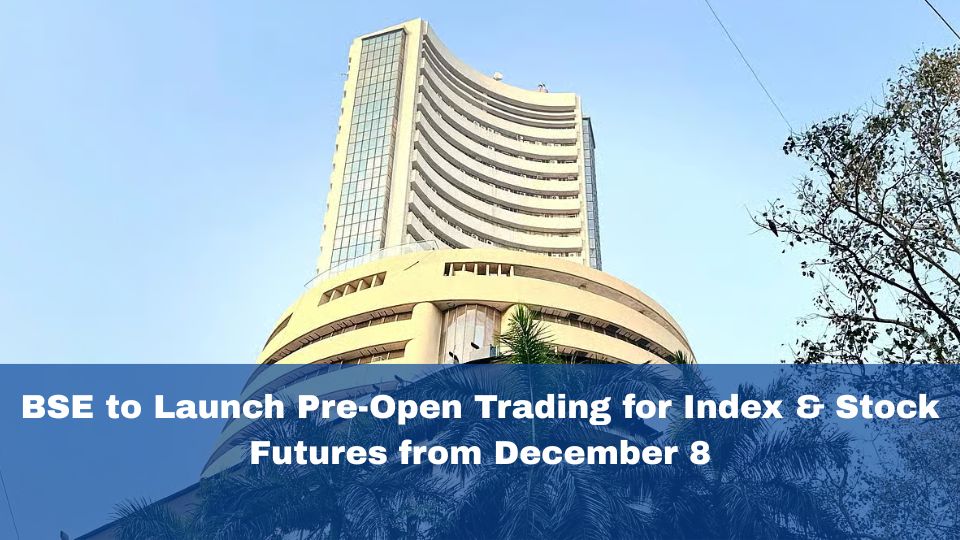
BSE to Launch Pre-Open Trading for Index & Stock Futures from December 8
The Bombay Stock Exchange (BSE) has unveiled plans to introduce a pre-open session for index and stock futures in the equity derivatives segment, effective December 8, 2025.
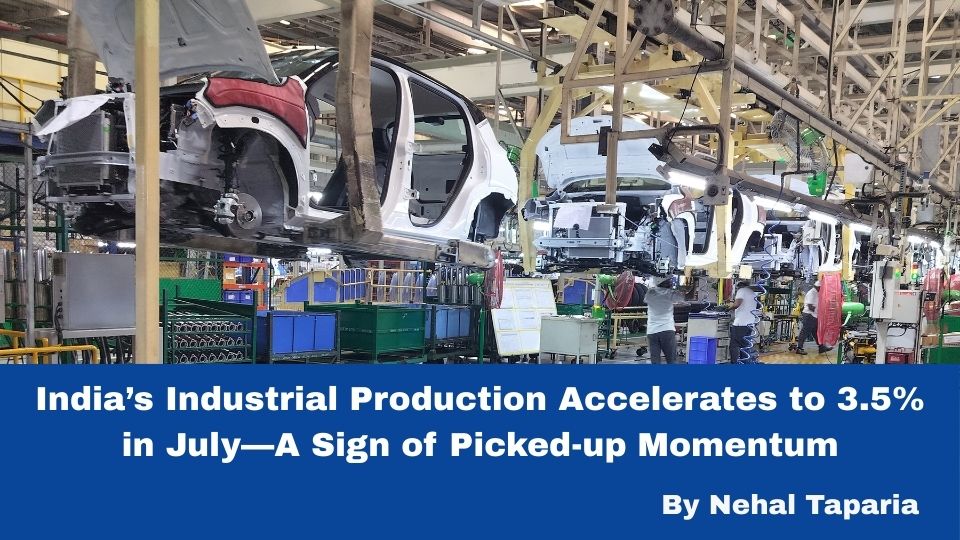
India’s Industrial Production Accelerates to 3.5% in July—A Sign of Picked-up Momentum
India’s industrial health received a notable boost in July 2025, with the Index of Industrial Production IIP growing at 3.5% year-on-year, up substantially from 1.5% in June, according to the National Statistical Office.

Trump’s Tariffs on India – Who Really Pays the Price?
The Trump administration has announced a steep 50% tariff on Indian imports, citing India’s continued purchase of discounted Russian oil.
India’s Crude Oil Imports Slide to Near 18-Month Low in July—What’s Behind the Drop and Why It Matters
In July 2025, India's crude oil imports declined sharply—dropping 8.7% month-on-month to 18.56 million metric tons, marking the lowest level since February 2024 , . This trend comes amid weakening domestic demand, shifting global trade dynamics, and mounting geopolitical pressures.

Fitch Affirms India's BBB- Rating Amid Tariff Pressures—What's the Signal for India's Economy?
Fitch Ratings reaffirmed India’s long-term foreign-currency issuer default rating at “BBB-” with a Stable Outlook. This affirmation underscores continued confidence in India's macroeconomic strength, even in the face of rising U.S. trade tensions and tariff risks.

U.S. Warships Near Venezuela: Ripple Effects Across Oil Markets
U.S. Deploys Warships Near Venezuela — Global Oil Tensions and Indian Market Impacts

Nifty Poised for a Bullish Monday – What’s Driving It?
Nifty Poised for a Bullish Monday – What’s Driving It?
Latest Course






Copyright © By Empirical F&M Academy. Design & Developed by Techno Duniya