
Blog List

Blog List
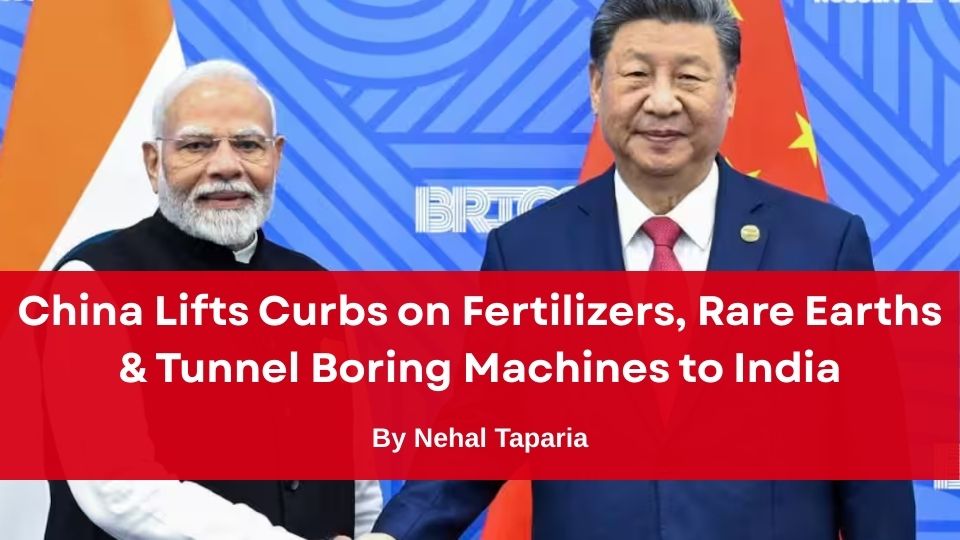
China Lifts Curbs on Fertilizers, Rare Earths & Tunnel Boring Machines to India
In a landmark move signaling a thaw in bilateral trade ties, China has lifted export curbs on three critical items for India:

Gap-Up Opening in Nifty: What It Means for Indian Markets
On Monday morning, the Nifty 50 opened with a strong gap-up. Last week’s closing was around 24,631, and today’s opening was near 24,938 – a sharp jump. This kind of opening indicates aggressive buying interest from investors, often triggered by positive news flow, global cues, or strong earnings momentum.
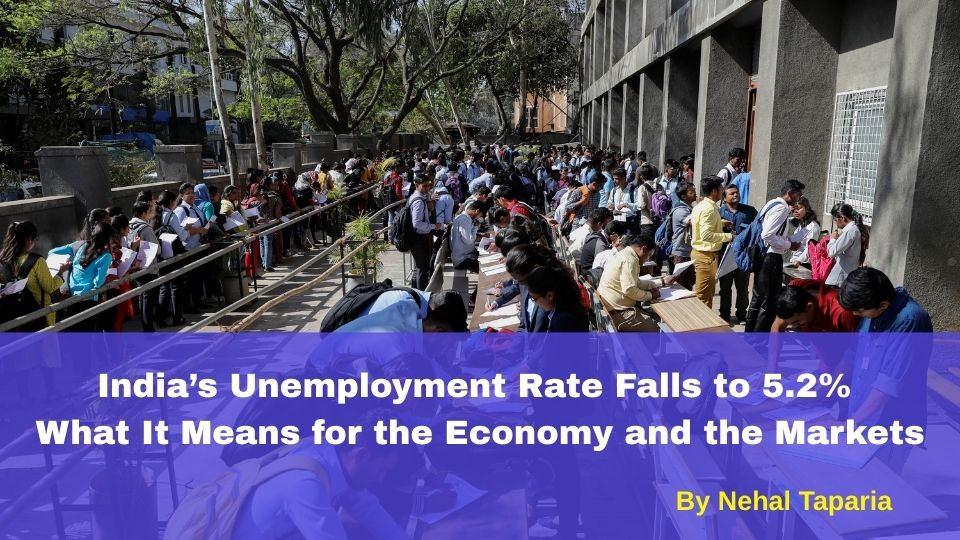
India’s Unemployment Rate Falls to 5.2%—What It Means for the Economy and the Markets”
Good News on Jobs: India’s Unemployment Rate Drops to 5.2% in July!

Markets React to Trump–Putin Talks and Modi’s GST Reforms
U.S. President Trump and Russian President Putin reached an “understanding” during their meeting in Alaska—even though it wasn’t a final agreement—which has helped ease geopolitical tensions. This development is expected to buoy global investor sentiment going into Monday’s market session.
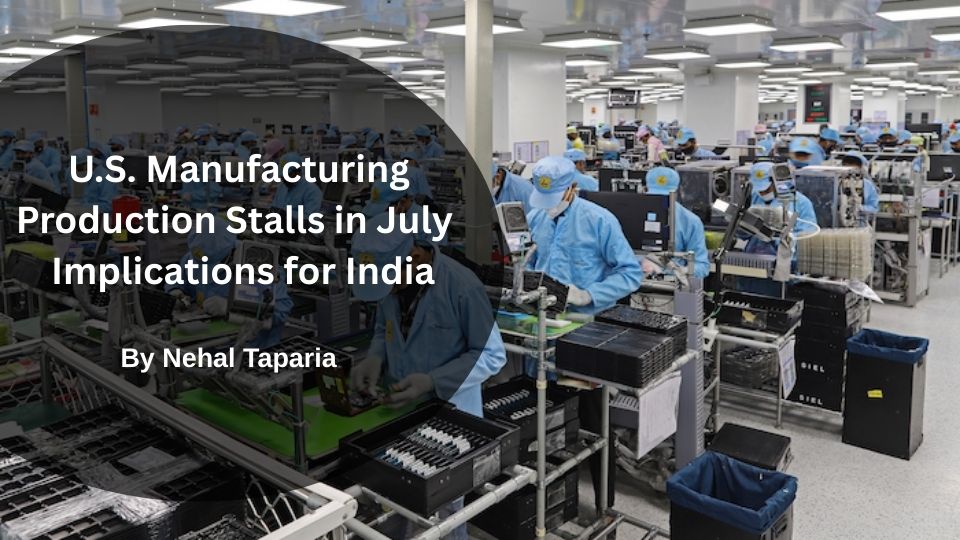
U.S. Manufacturing Production Stalls in July — Implications for India
In July 2025, U.S. factory production didn’t budge, remaining flat compared to June’s revised 0.3% increase, surprising economists who expected a slight decline. Year-over-year, factory output rose modestly by 1.4%, but overall industrial production slipped by 0.1%.

S&P Global Raises India’s Rating to ‘BBB’ — A Game-Changer for Economic Confidence
On August 14, 2025, S&P Global upgraded India’s long-term sovereign credit rating from ‘BBB-’ to ‘BBB’, affirming the nation’s economic resilience and sustained fiscal consolidation efforts. The agency also maintained a stable outlook, reflecting confidence in India’s macroeconomic trajectory.

India’s July Trade Deficit Surpasses $27 Billion: What It Means for the Market
In July 2025, India’s merchandise trade deficit ballooned to $27.35 billion, compared to $18.78 billion in June—a sharp month-on-month increase that caught many economists off guard.
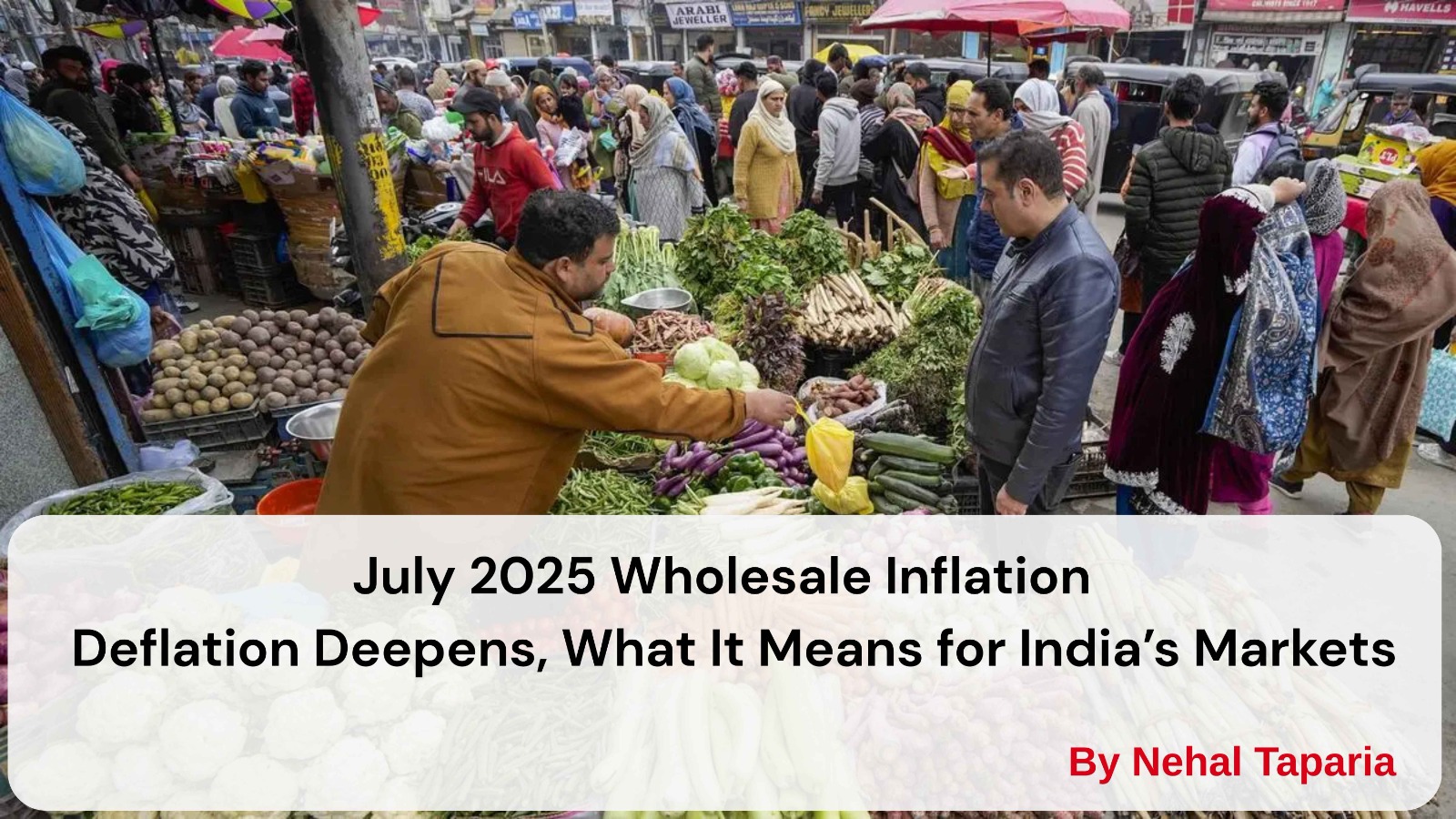
July 2025 Wholesale Inflation — Deflation Deepens, What It Means for India’s Markets
In July 2025, India’s Wholesale Price Index (WPI) dropped 0.58% year-on-year, a sharper contraction than June’s modest 0.13% decline. This marks a continued disinflationary trend at the producer level.
Latest Course






Copyright © By Empirical F&M Academy. Design & Developed by Techno Duniya