Blog List

Blog List

How to Read Candlestick Charts: 15 Patterns
In this guide, we will break down how to read candlestick charts in plain, simple English, and walk through 15 candlestick patterns that traders use every day to spot trend reversals, continuations, and market indecision.

Best Trading Strategies for Beginners in India (2026 Guide)
The best trading strategy for beginners in India is swing trading with a stop-loss. You hold a stock for a few days to a few weeks, trade only in the direction of the trend, and risk no more than 1-2% of your capital on each trade. It needs less screen time than intraday trading and carries less risk than F&O (futures and options).

How to Learn Stock Market Trading in India: Complete Roadmap (2026)
To learn stock market trading in India, you need to (1) understand market basics, (2) open a demat and trading account, (3) learn fundamental and technical analysis, (4) practice with a demo/paper trading account, (5) start small with real capital, and (6) keep upgrading your skills through certified courses (NISM, NSE Academy) or structured mentorship. Most beginners take 3–6 months of consistent learning before trading live with confidence.

SEBI Proposes Major Changes to F&O Settlement and Closing Auction Session
On September 12, 2026, SEBI released a consultation paper proposing seven changes to India's Closing Auction Session (CAS) and F&O expiry-day settlement — including a new blended VWAP method for settlement prices, the removal of the Indicative Index Value during CAS, a shorter transition gap between continuous trading and the auction, and revised market timings. Public comments are open until October 3, 2026. Nothing has been finalized yet.
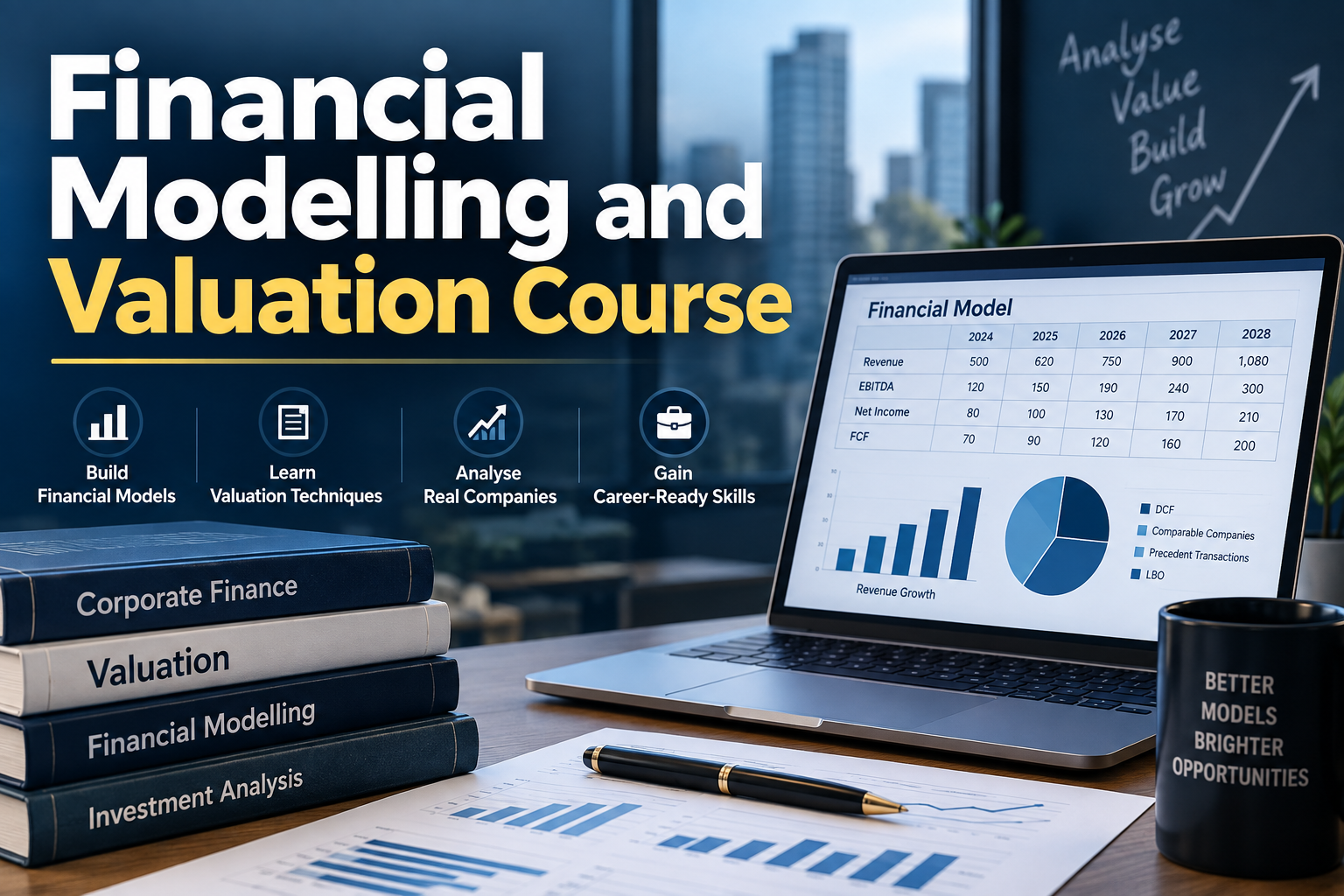
Financial Modelling and Valuation Course: Everything You Need to Know
At Empirical F&M Academy, our Financial Modelling and Valuation course is designed to take you from the basics of financial statements to building a fully functional, three-statement financial model in Excel — the same kind of model used by analysts on the job.

Why Is the Indian Stock Market Falling? Global Funds Exit India in 2026
For traders and investors, the important question is not simply "Why is the Indian stock market falling?" but also what is causing the selling, whether the trend can continue, and what it means for your next trading or investment decision.
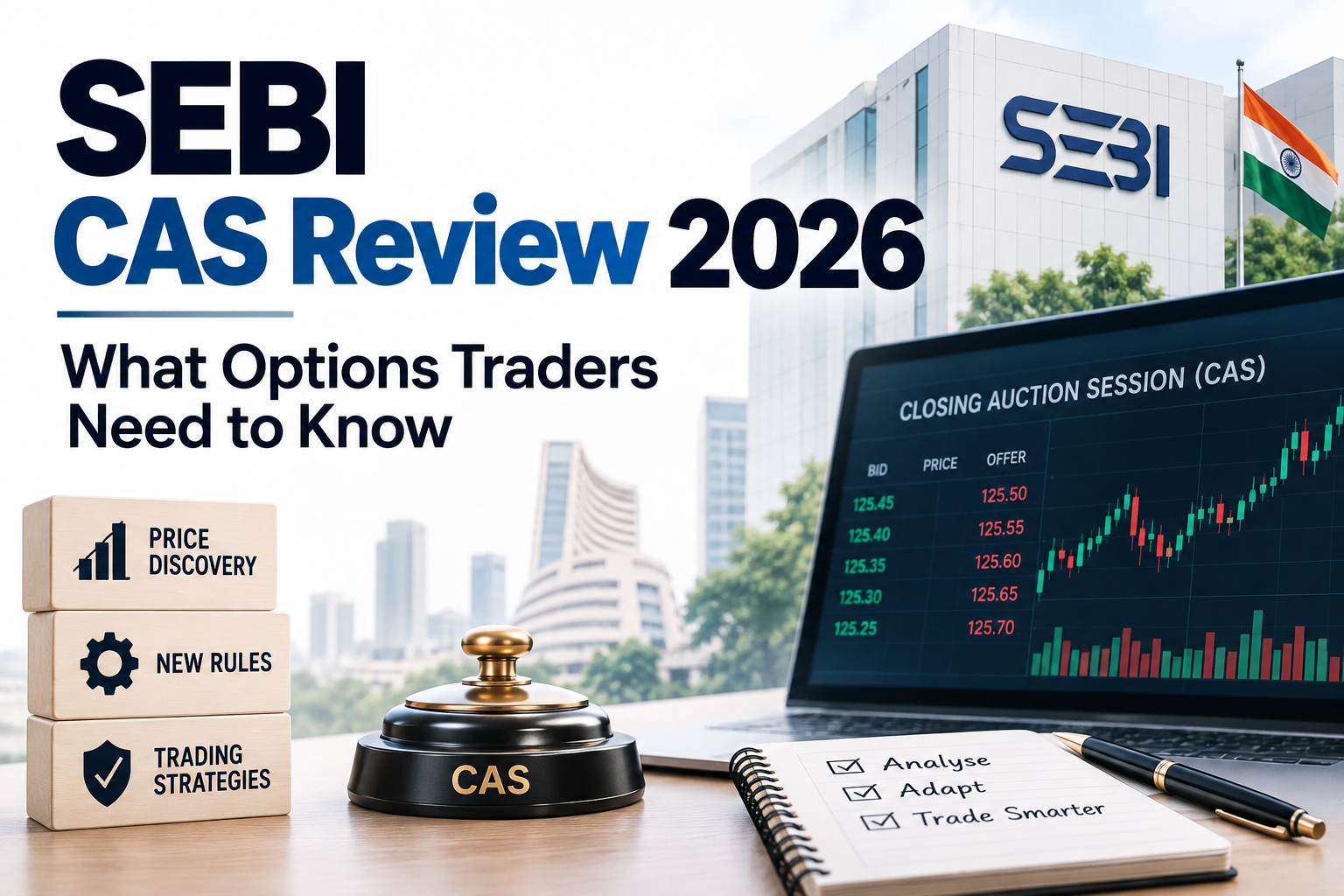
SEBI CAS Review 2026: What Options Traders Need to Know
This guide breaks down what CAS is, why SEBI is reviewing it now, what the September 3 incident actually looked like, and what it means for your options trading going forward.

Closing Auction Session (CAS) in India: What Traders Need to Know in 2026
If you've traded F&O stocks on NSE or BSE any time after 3:15 PM this year, you've already felt the effects of India's biggest market-structure change in years — the Closing Auction Session (CAS). Rolled out by SEBI from 3 August 2026, CAS has replaced the old VWAP-based closing price method with a global-style auction mechanism.
Latest Course





Copyright © By Empirical F&M Academy. Design & Developed by Techno Duniya